Project of the S. Seifullin Kazakh Agrotechnical Research University
State Registration No.: 0115RK00481
Project Objective
To develop rapid methods and test kits for assessing the quality and safety of food products of animal origin.
Brief Description
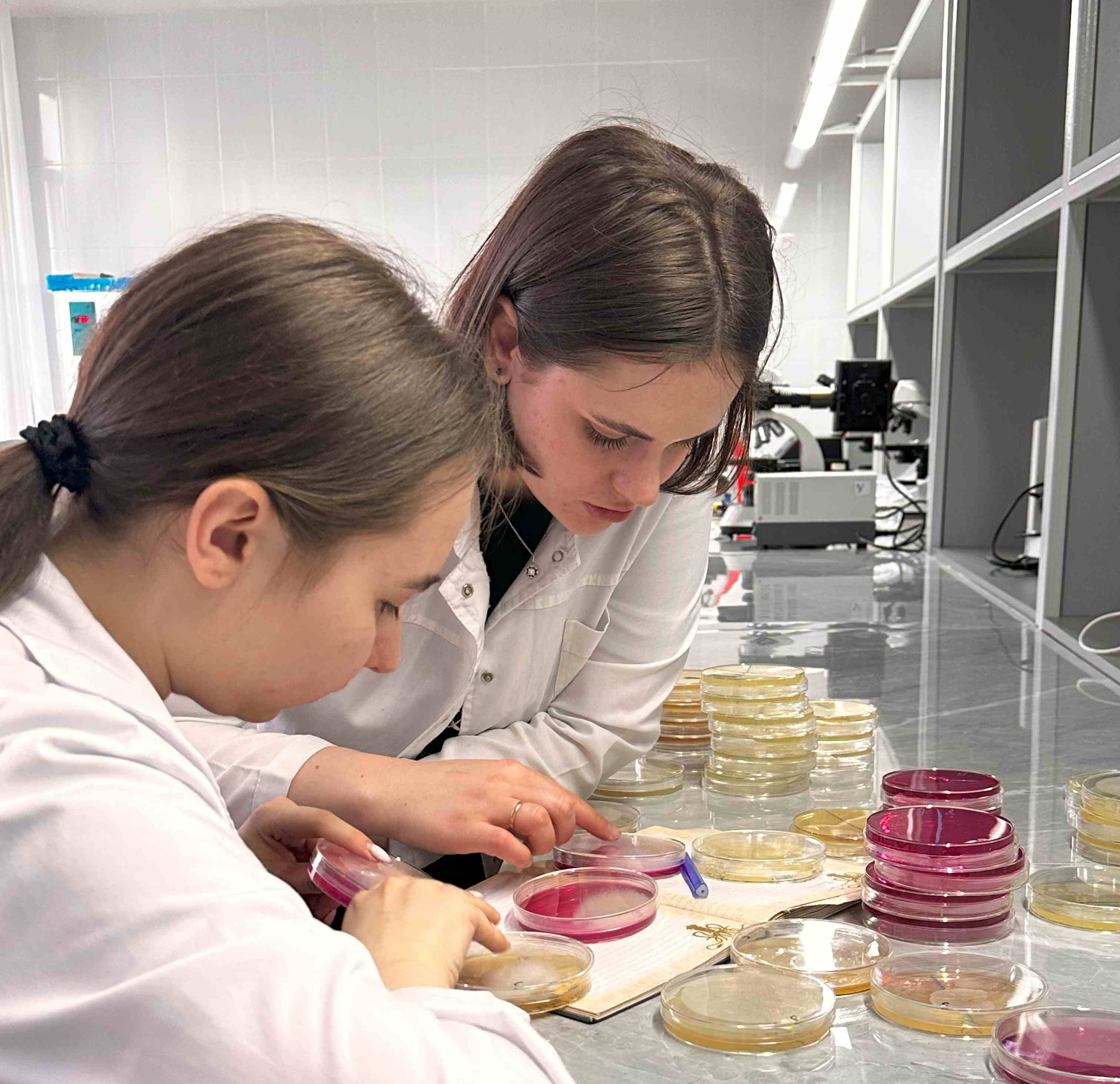
The study investigated the most common contaminants and types of food adulteration. New rapid methods and test kits were developed for the detection of contaminants, foreign substances, food adulteration, and species identification of livestock raw materials and products.
Innovation
Accessible and rapid methods for food quality and safety assessment were developed, enabling testing without the need for expensive laboratory equipment. The developments are intended for veterinary-sanitary examination and food safety laboratories.
Main Results
During 2015-2017, the following were developed:
Scientific Achievements
As a result of the project, 12 intellectual property protection documents were obtained, including:
A total of 27 scientific publications were published, including journal articles, conference proceedings, and patents. A monograph, a textbook, and methodological recommendations were also published.
Practical Significance
The developed methods and test kits have been introduced into veterinary-sanitary laboratories and enable rapid detection of hazardous contaminants and food adulteration.
Implementation of Results
The project resulted in:
The research findings were used in doctoral, master's, and undergraduate theses and were presented at international scientific conferences.
Socio-Economic Impact
The implementation of the developed methods contributes to improving food quality and safety, preventing the sale of adulterated and unsafe food products, protecting public health, and improving veterinary-sanitary control systems.