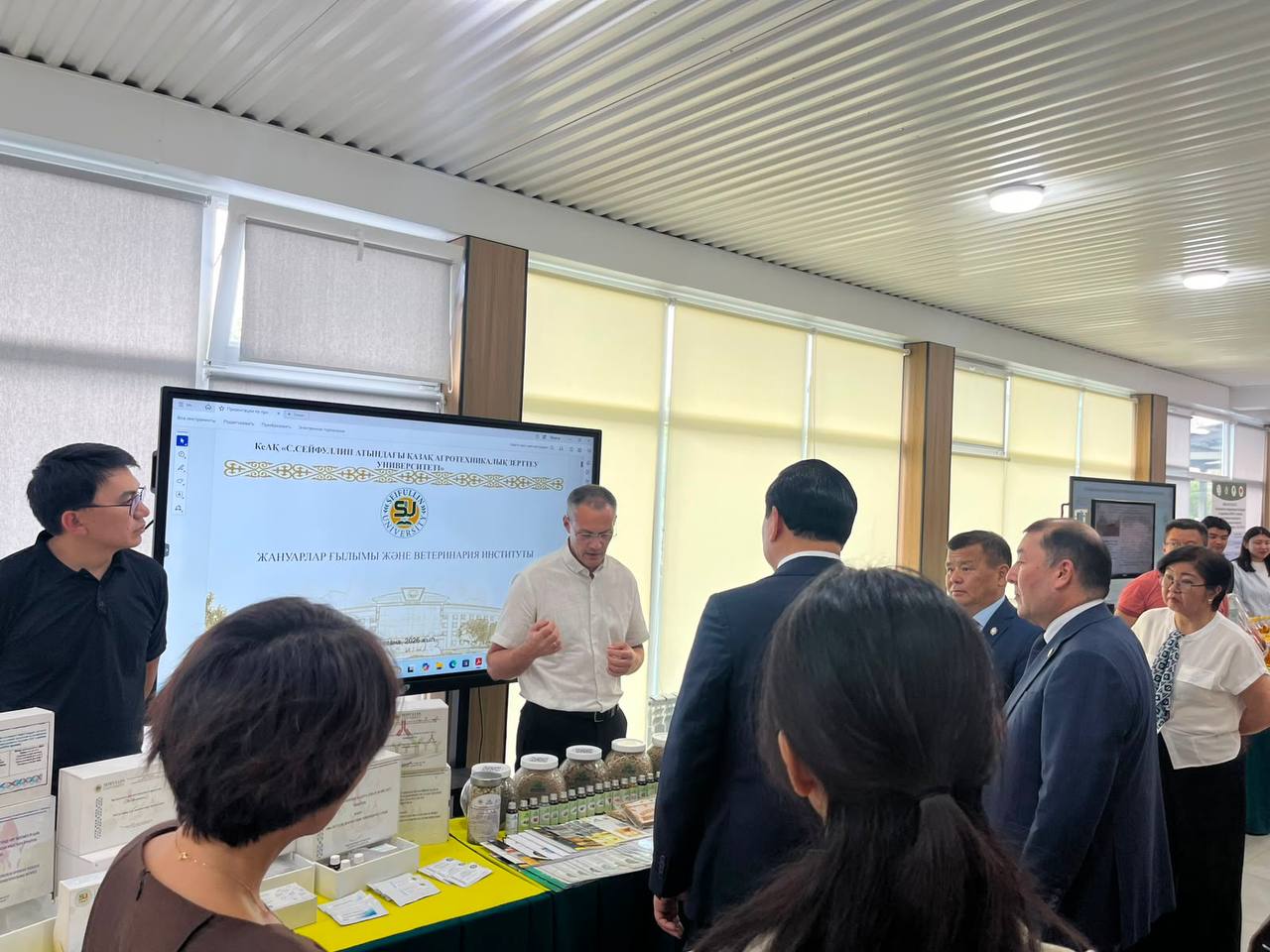
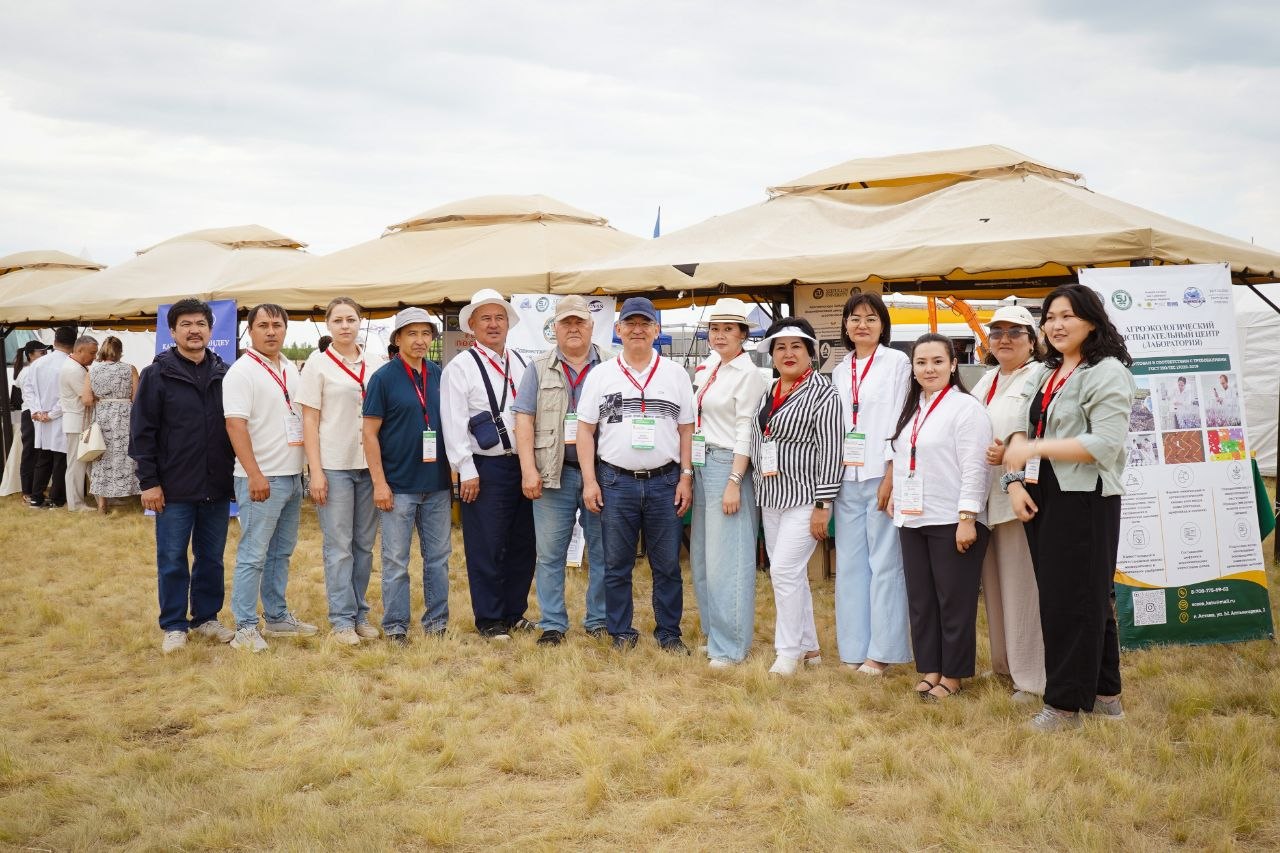
The forum “Increasing the Income of Rural Residents” was held at the A.I. Baraev Research and Production Center for Grain Farming, bringing together representatives of the agricultural sector, research organizations, and the farming community. The event was organized with the support of the “Aul” party. Participants included representatives from the Akmola, North Kazakhstan, Kostanay, and Karaganda regions.
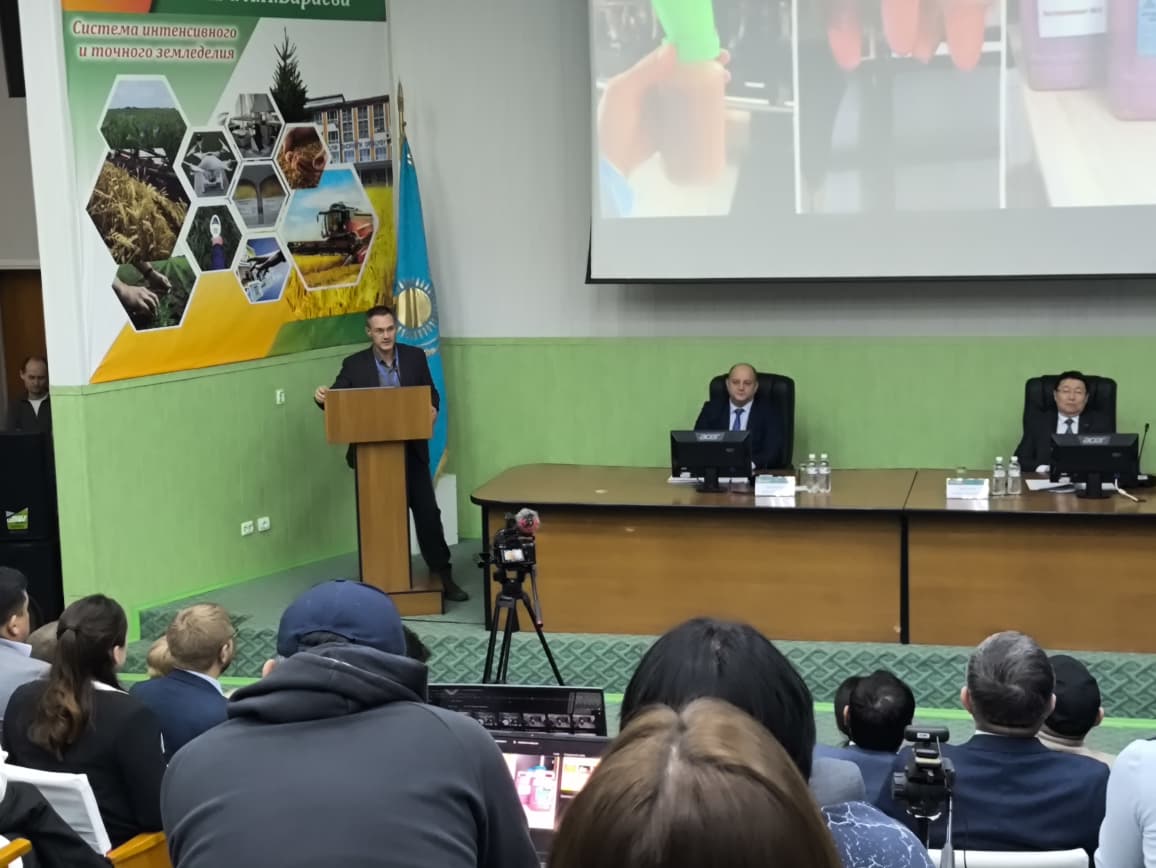
In his speech, Kairat Kaparovich Aituganov, Deputy Chairman of the “Aul” party, emphasized the importance of implementing modern technologies in agriculture, supporting farmers, and expanding opportunities to increase the income of people living in rural areas.
District and village akims also took part in the forum, which made it possible to discuss key tasks in the development of the agricultural sector, ways to improve production efficiency, and opportunities for implementing promising projects at the local level.
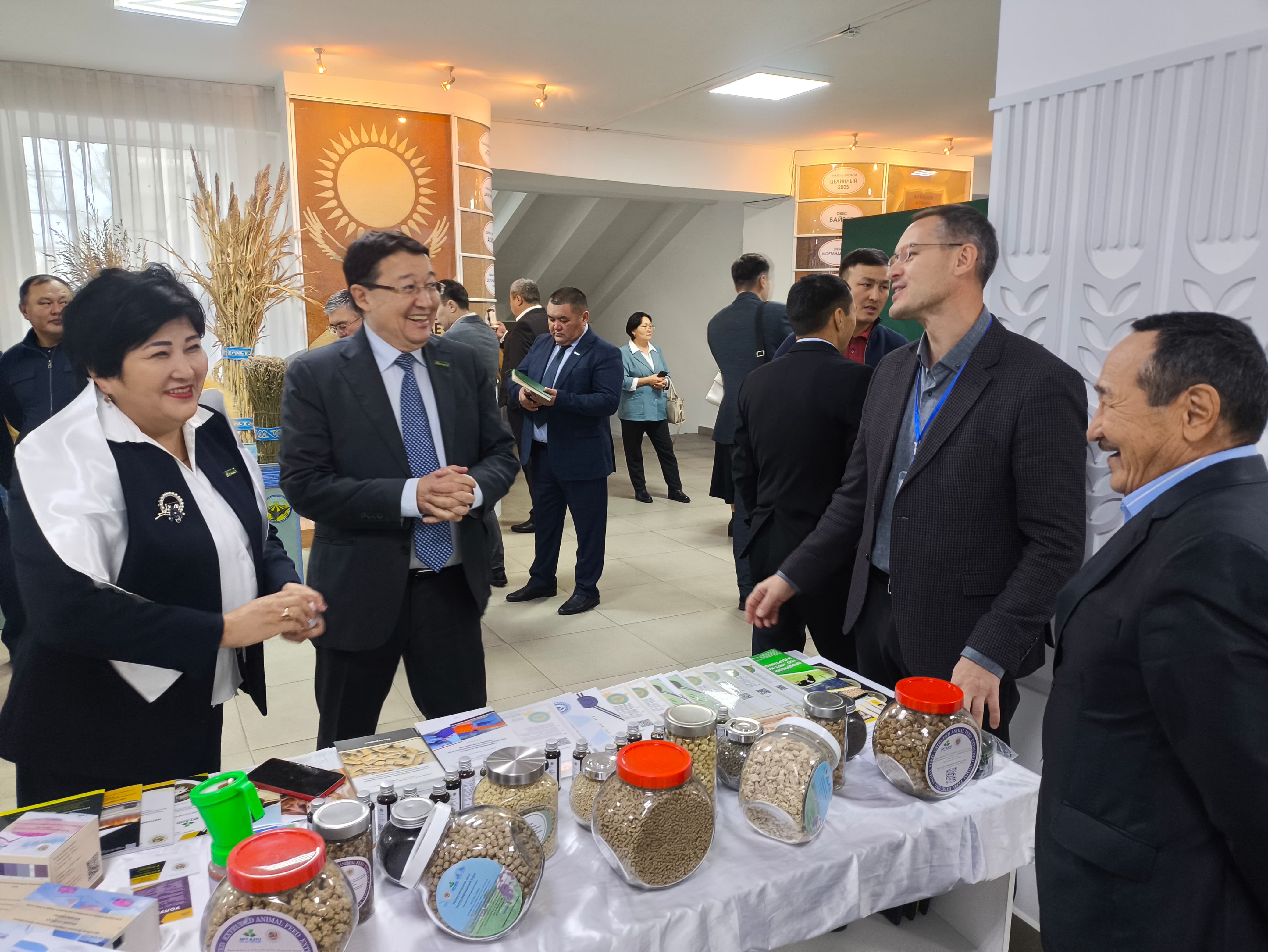
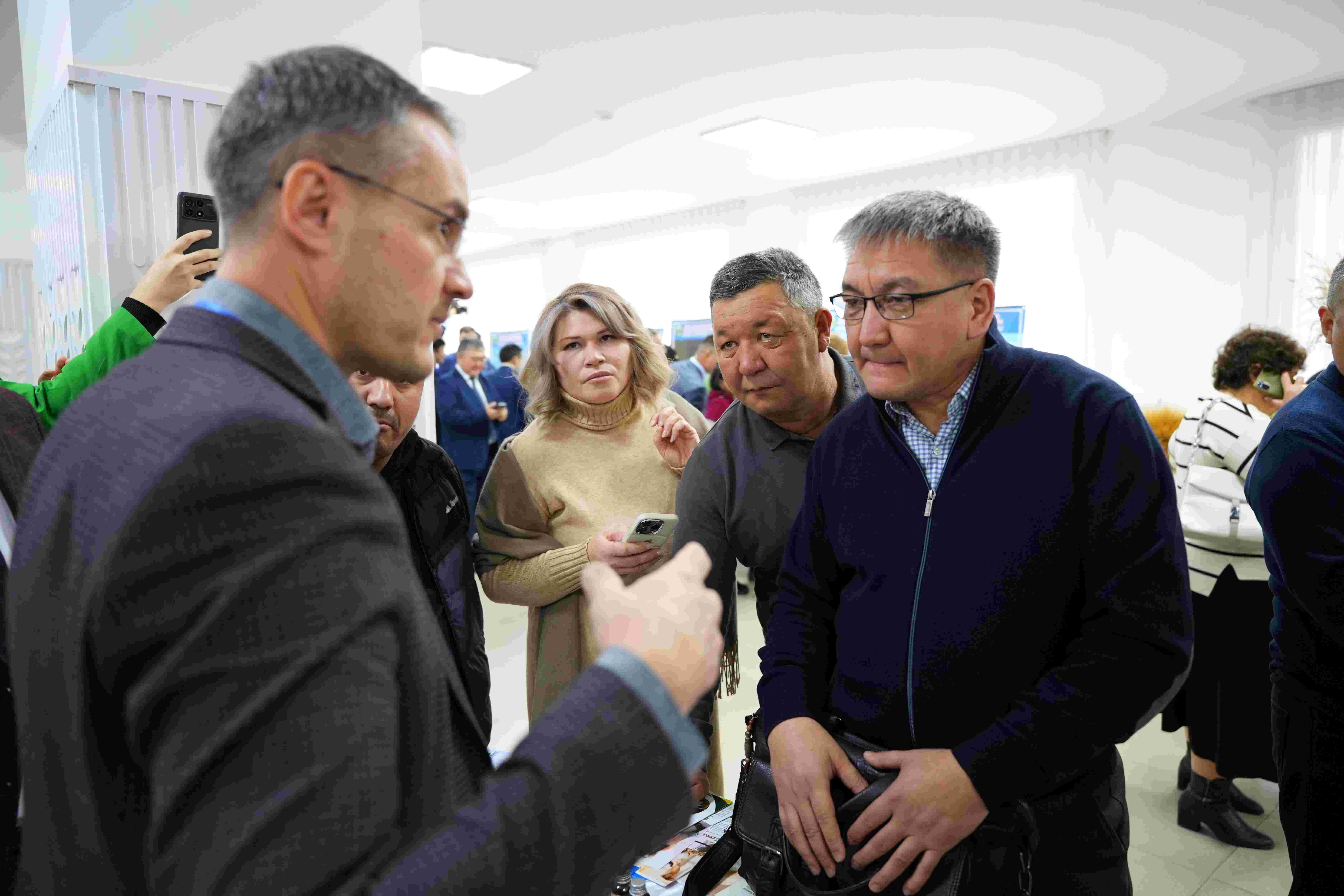
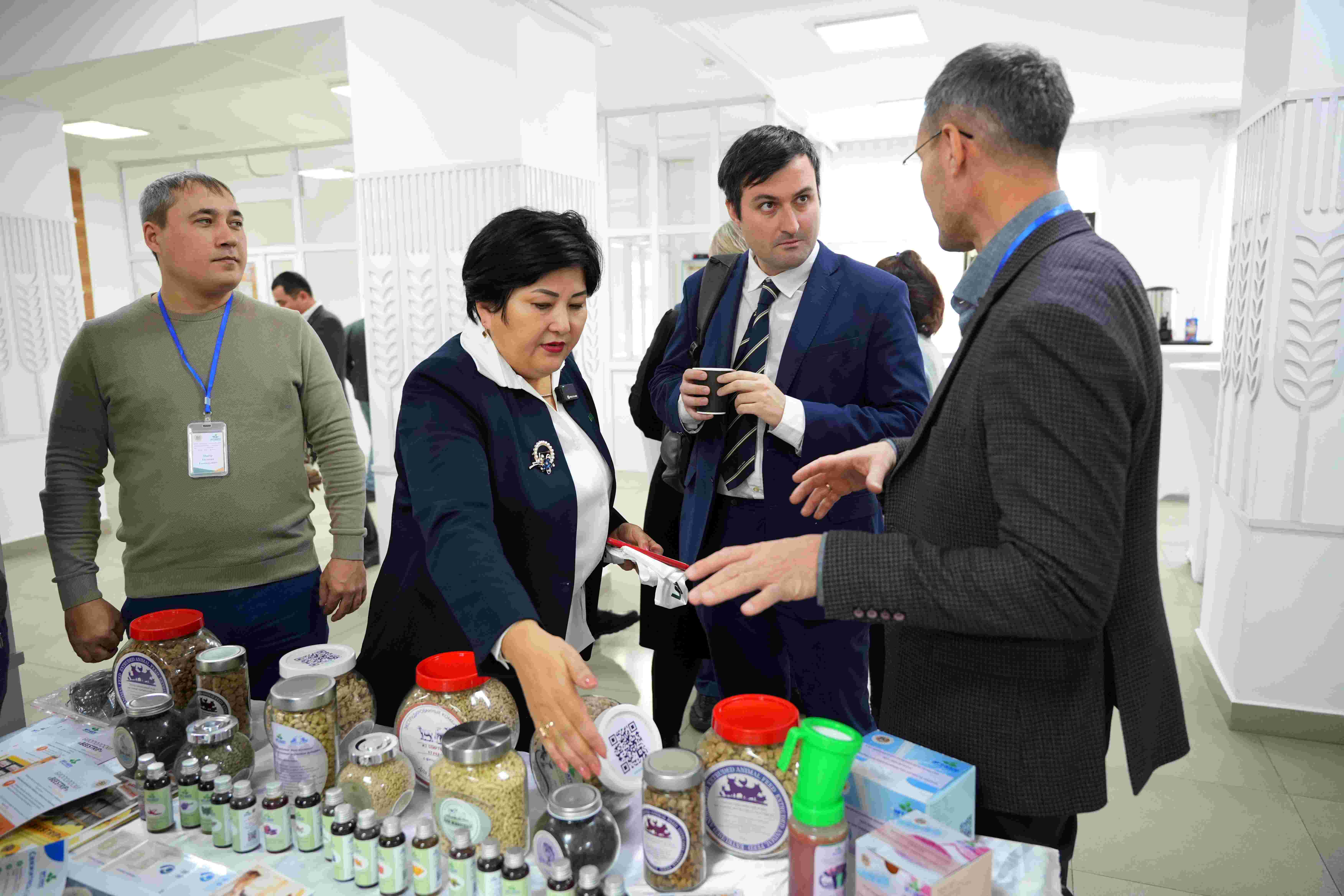
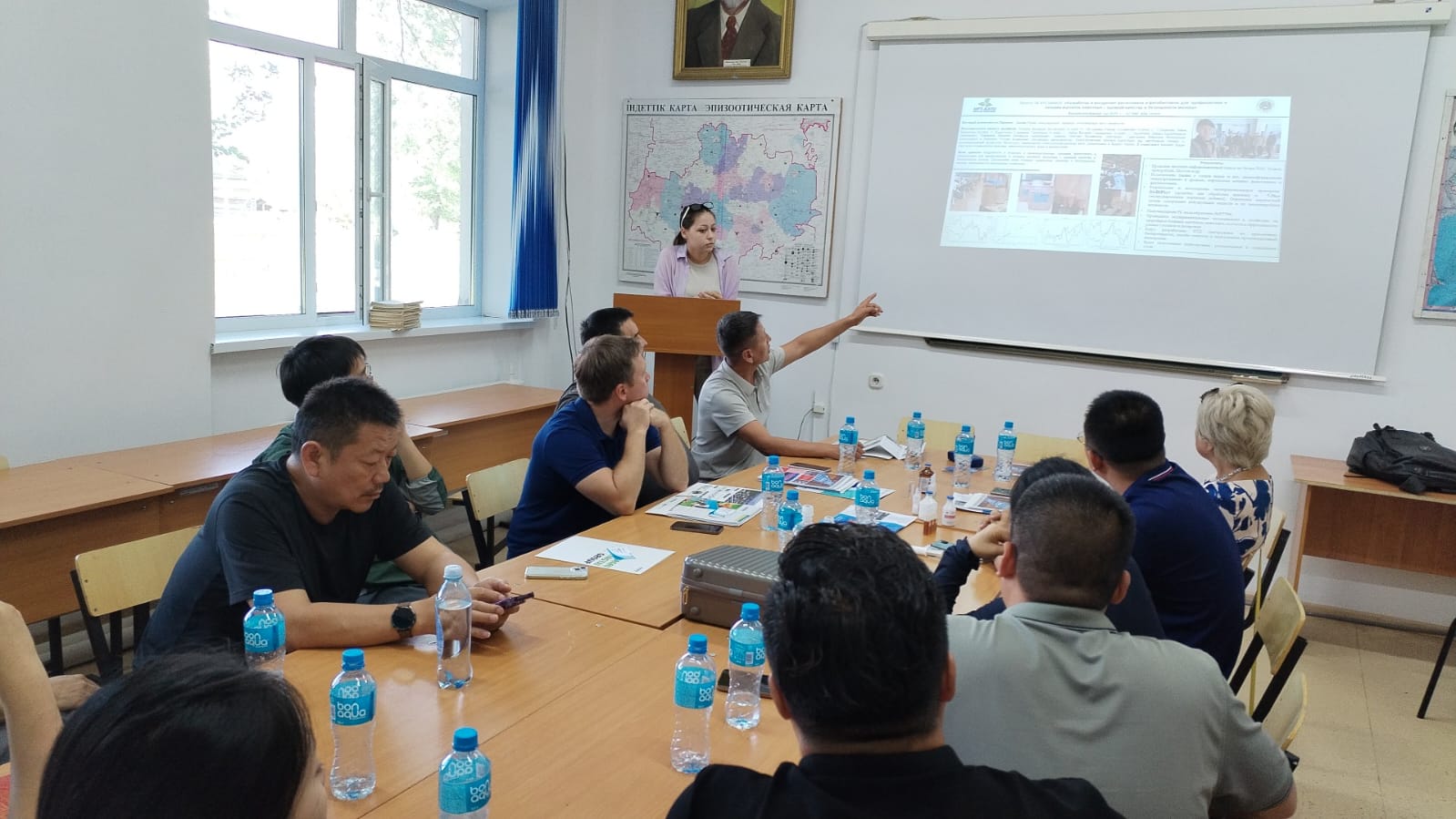
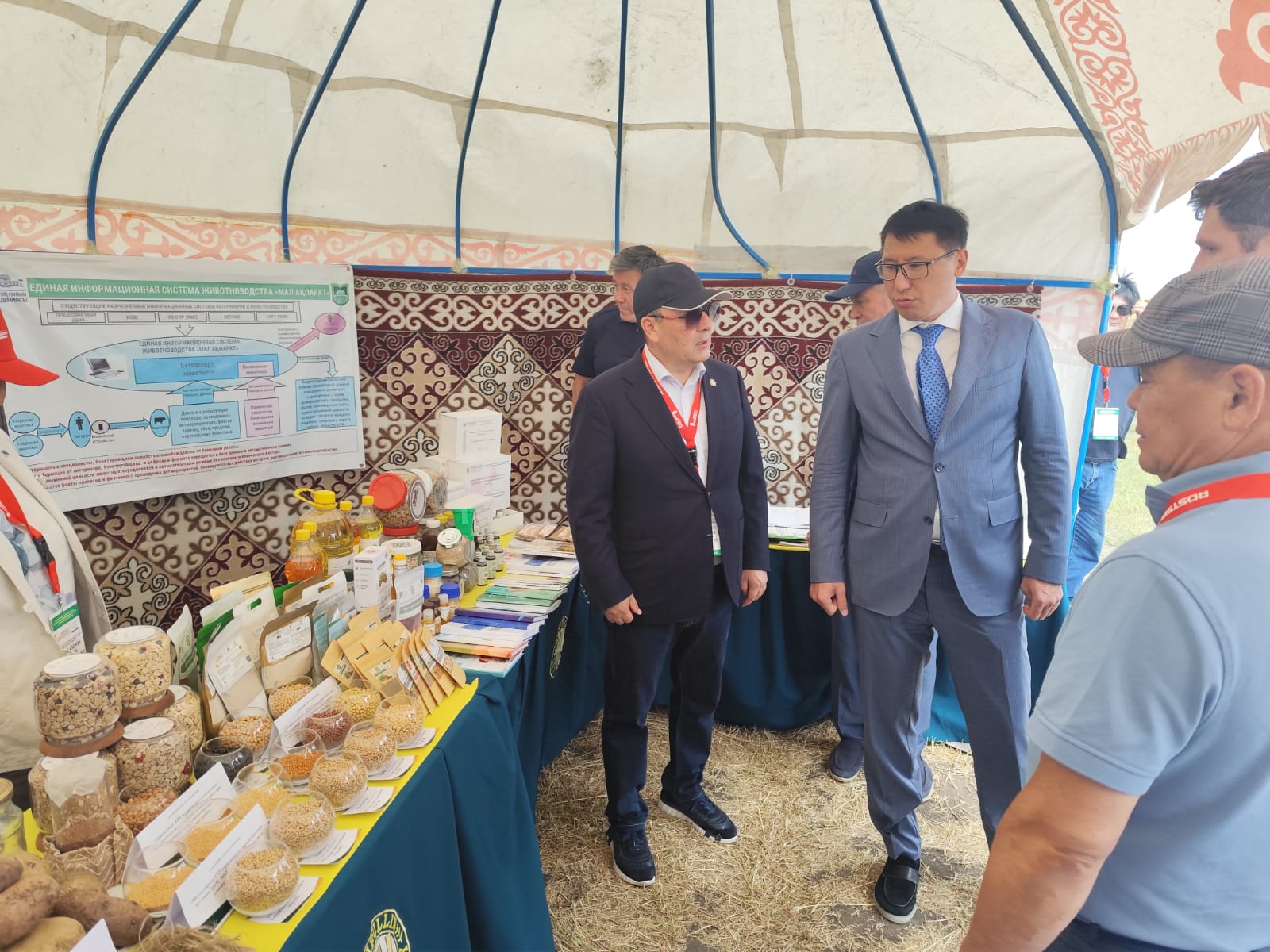
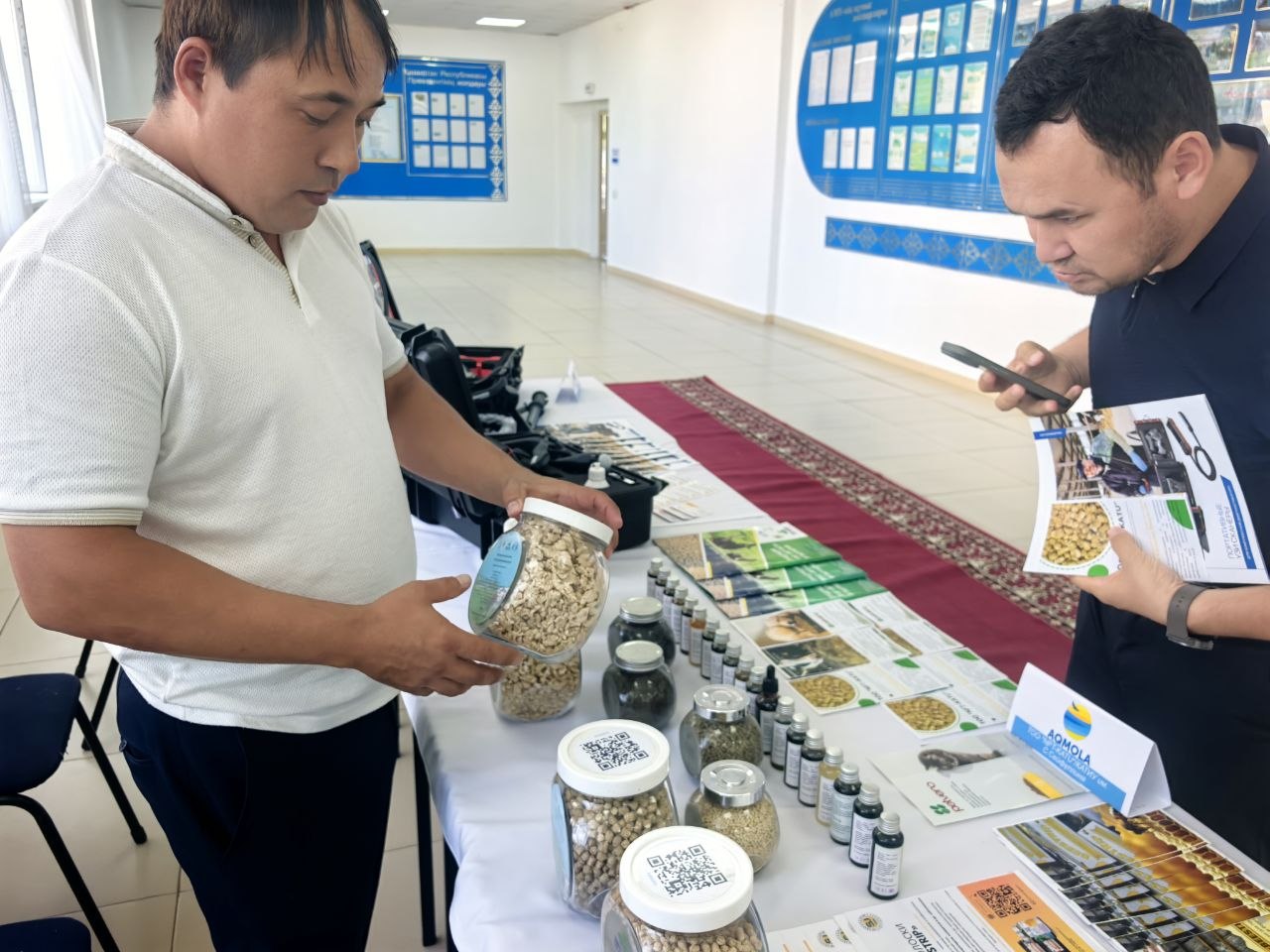
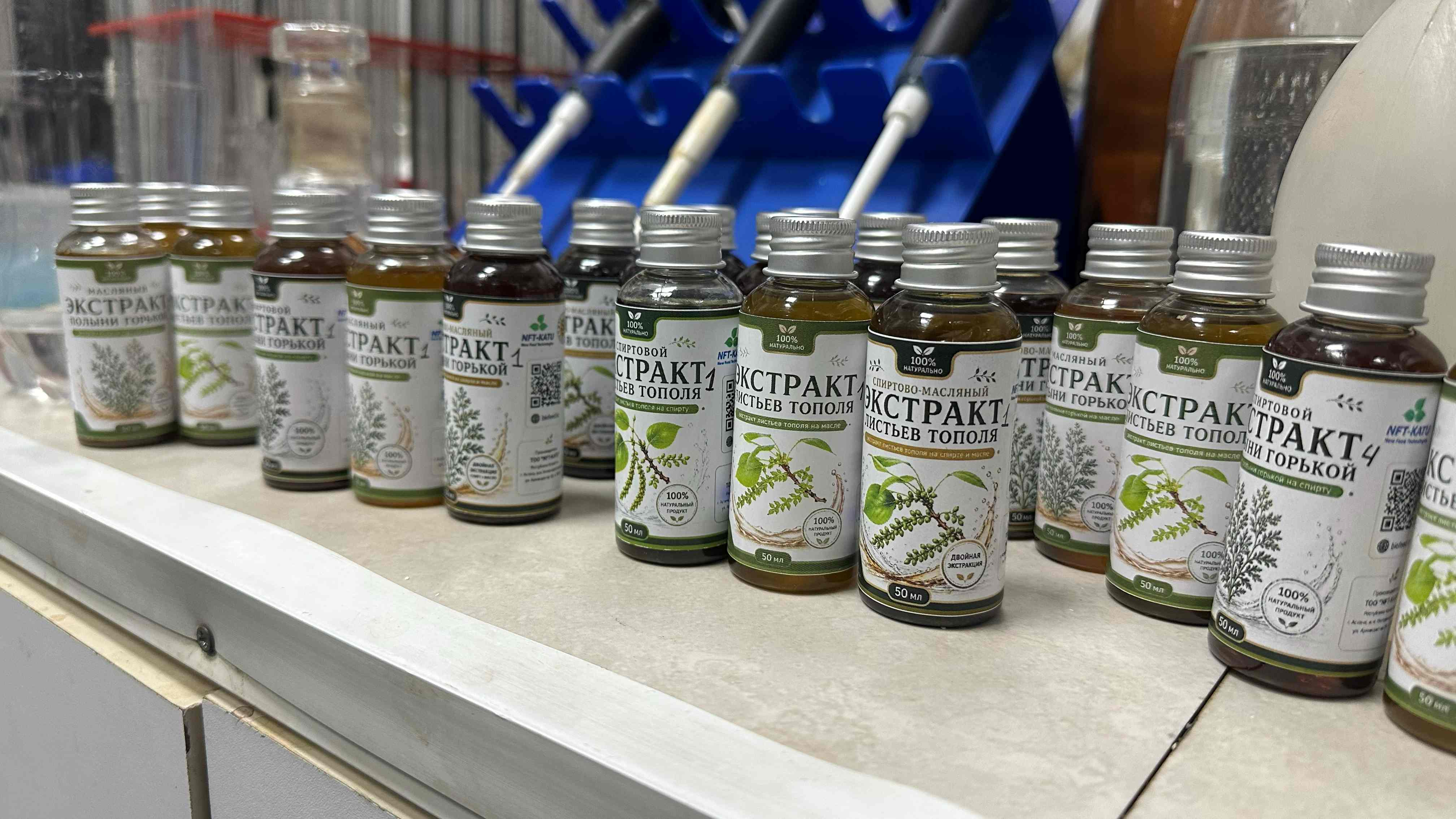
As part of the exhibition program, the companies NFT-KATU and MB5 showcased various developments and products for the agro-industrial sector: extruded feeds, phytogenic feed additives, compound feeds produced from recycled distillery by-products, phytopreparations for the prevention and treatment of bee diseases, phytobiotics, rapid tests for assessing the quality and safety of livestock products, as well as monographs and methodological guidelines for specialists in animal husbandry and veterinary medicine. The companies also presented the results of their latest research under the project IRN AP23484620 “Development and Implementation of Phytobiotics and Phytogenics for the Prevention and Treatment of Mastitis in Animals with an Assessment of Milk Quality and Safety,” which generated significant interest among attendees and stimulated discussion, questions, and an active exchange of views.
In addition, the forum featured sausage and dairy products, grain crops, as well as wool-based goods.
Organizers noted that the forum served as an effective platform for sharing experience, discussing practical solutions, and strengthening cooperation between scientific institutions, agricultural producers, and local authorities, all aimed at improving the well-being of rural residents.